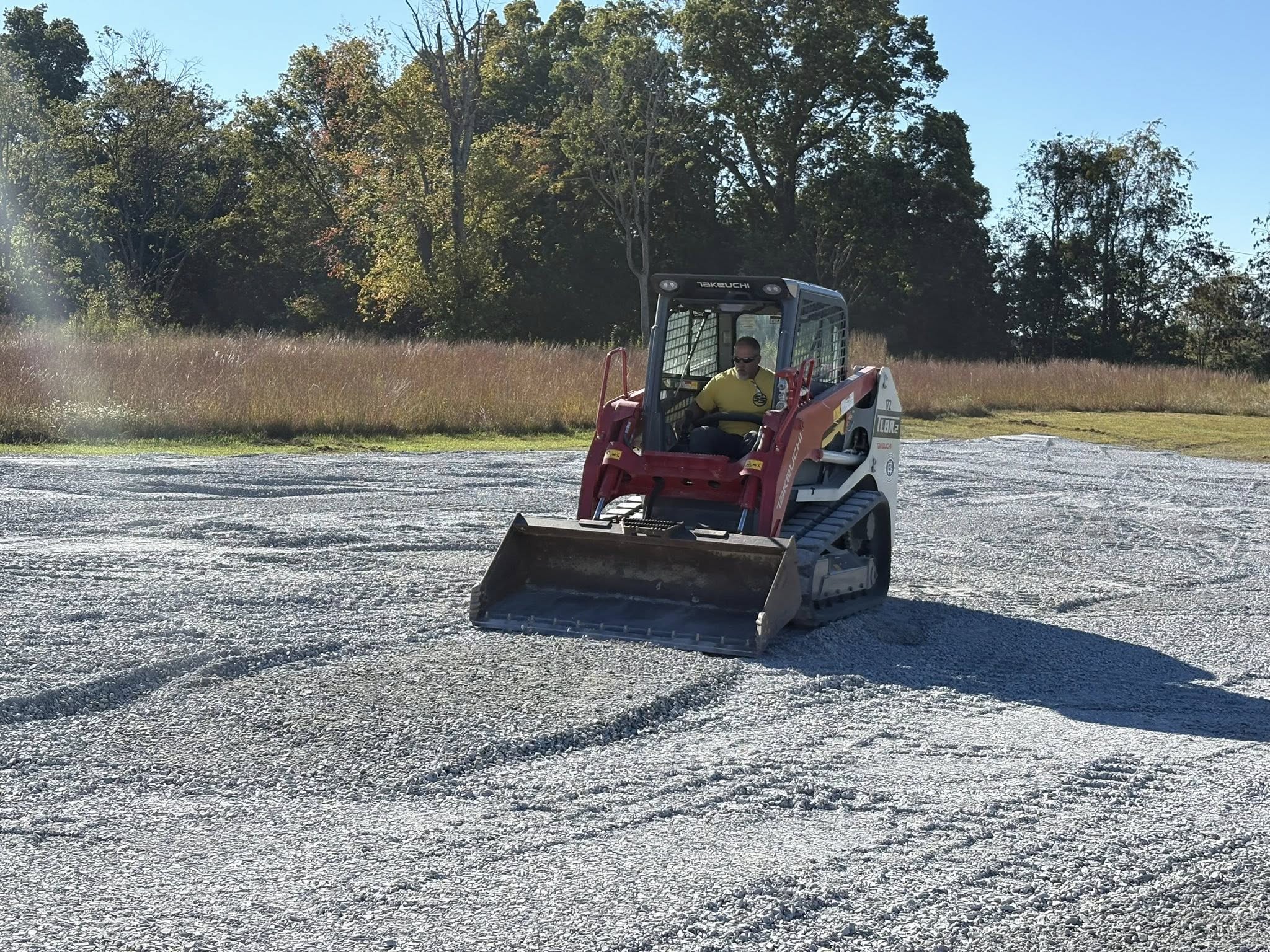
Empowering Sustainable Growth: Integrating Environmental and Economic Objectives in Land Management Jul 06, 2026
To begin with, understanding the essence of sustainable land management involves appreciating the delicate balance between ecological health and economic gain. Traditionally, land use projects often prioritized short-term economic benefits over environmental sustainability. However, increasingly evident are the long-term costs of this approach, both financially and ecologically. The need to reevaluate these practices is underscored by growing global environmental concerns and shifting economic models that reward sustainability.
At the heart of sustainable land management is the integration of best practices designed to enhance natural resource conservation while fostering economic prosperity. For instance, adopting green infrastructure not only helps preserve the natural environment but also enhances the value of land by making it more attractive to both businesses and the community. Methods such as soil conservation, reforestation, and the use of eco-friendly construction materials are pivotal in this respect. These strategies ensure that land management does not degrade natural resources but instead supports and rejuvenates them.
Moreover, sustainable land management practices also involve engaging with the latest technological advancements. GIS mapping, remote sensing, and data analytics are revolutionizing how land use is planned and executed. These technologies provide critical insights into land patterns, helping land managers make informed decisions that benefit both the environment and the bottom line. Site Solutions is at the forefront of employing these cutting-edge techniques, offering services that maximize land utility while maintaining ecological balance.
Incorporating community input is another essential component. Successful land management projects often include consultations with local stakeholders, aligning projects with community needs and expectations. By integrating local knowledge and addressing public concerns, these projects are more likely to succeed both environmentally and economically.
Creating policies that incentivize sustainable land management practices is equally important. By aligning financial incentives with environmentally sound practices, governments and institutions can encourage the adoption of these methods on a larger scale. This includes tax breaks for sustainable projects, grants for research and development in sustainable technologies, and favorable regulations that promote green practices.
As we embrace these progressive strategies, the dual objectives of environmental protection and economic growth need not be at odds. Rather, they can complement and enhance each other, leading to more resilient, productive, and sustainable land management outcomes. At Site Solutions, our commitment is to lead this charge, implementing solutions that promote both ecological harmony and economic vitality.
In conclusion, empowering sustainable growth through integrated land management practices is essential for our future. By marrying environmental and economic objectives, organizations like Site Solutions are paving the way for a more sustainable world. As we navigate these crucial transitions, let’s engage with practices that respect our planet and foster enduring prosperity. The path to sustainable growth is not just a vision; it is a mandate for our times, one that promises a richer, more balanced coexistence with our natural world.
/filters:no_upscale()/filters:format(webp)/media/11f6e8cb-92d7-45c3-9c06-c1559693f02d.jpeg)