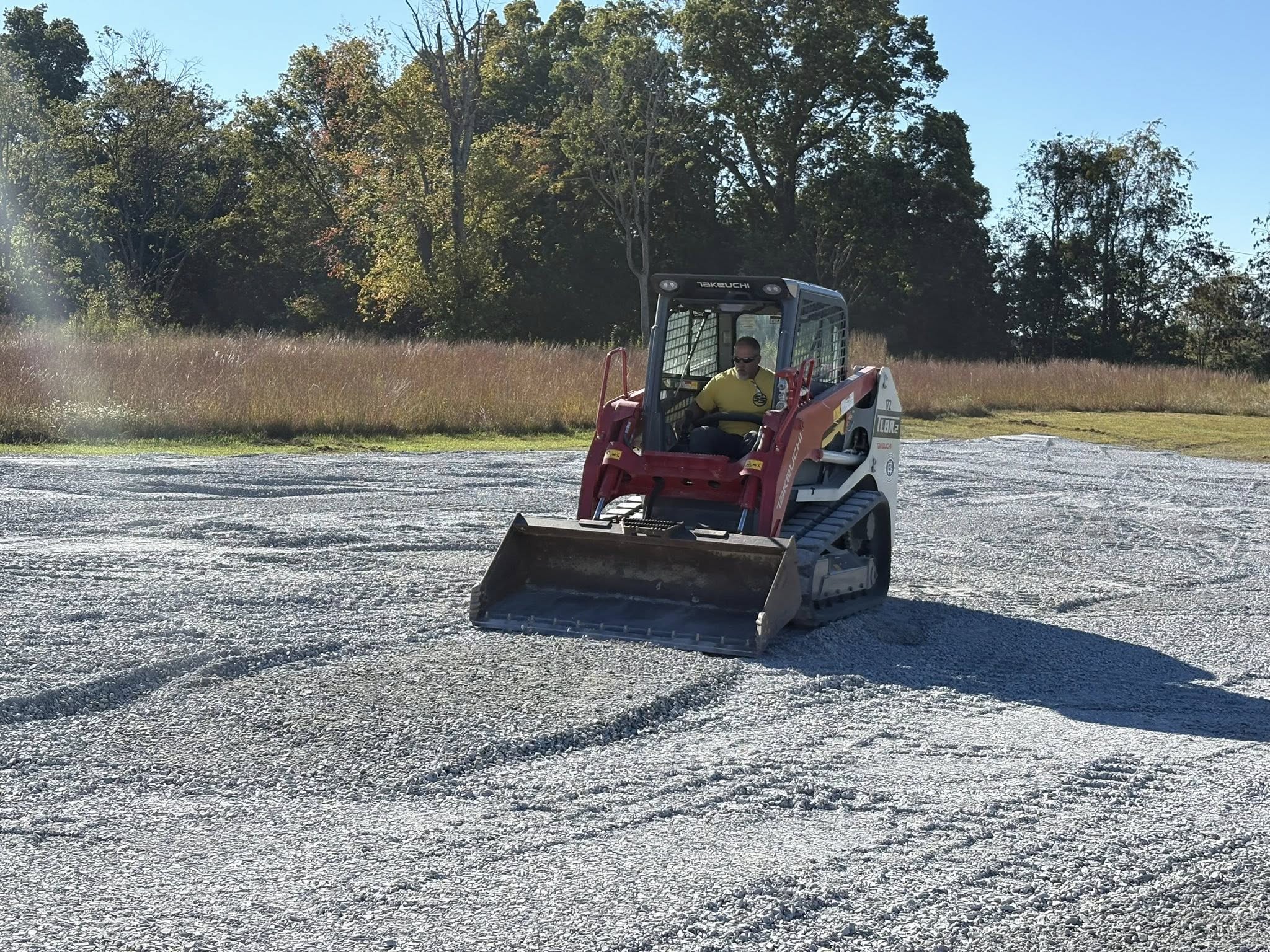
From Vision to Reality: Planning and Executing Successful Land Development May 06, 2026
The first step in successful land development is comprehensive planning. This stage lays the foundation for what’s to come and involves understanding the land’s potential and constraints. Begin with a thorough site analysis. Assess topography, soil stability, access to utilities, and environmental concerns. This assessment helps in identifying what the land can support and what adjustments may be required.
Engaging with professionals early on is crucial. Bringing onboard architects, engineers, and planners can provide invaluable insights. They help in designing a layout that maximizes space while adhering to regulations and zoning laws. At this stage, another important factor is community impact. Open dialogue with local residents and stakeholders can foster goodwill and ensure your project aligns with community interests.
As the planning phase concludes, securing the necessary permits is the next hurdle. This step can be complex and time-consuming, involving multiple governmental agencies and compliance with an array of local, state, and federal laws. Working closely with a consultant who understands these processes can significantly streamline this phase and avoid potential delays.
Once you've navigated the paperwork, it's time to shift focus to the execution phase. Efficient project management becomes essential. Developing a detailed timeline and budget helps in keeping the project on track. Regular site inspections and meetings with your construction team ensure everyone is aligned and can address issues promptly.
As construction progresses, stay flexible. While a plan is crucial, the ability to adapt to unforeseen challenges is equally important. Whether weather disruptions, supplier delays, or unexpected site conditions, quick, informed decision-making can keep your project from veering off-course.
A successful land development project doesn't end with construction completion. Post-construction activities play a pivotal role in ensuring your project’s sustainability and functionality. This includes landscaping, utilities hook-up, infrastructure testing, and obtaining final inspections to ensure that the project meets all specifications and regulations.
Consider how the space will be used long-term and what the maintenance requirements might be. A forward-thinking approach adds value and appeal, attracting tenants or buyers. Moreover, implementing green building practices can enhance sustainability credentials, reducing environmental impact and operational costs.
Finally, marketing your completed development effectively is the cherry on top. Whether through a grand opening, online campaigns, or partnerships with local businesses, awareness is key to filling occupancy and driving your project’s success.
In summary, the journey from vision to reality in land development requires careful planning, effective execution, and ongoing management. At Site Solutions, we specialize in turning concepts into successful developments by leveraging our expertise and local knowledge. By approaching your project with a strategic mindset, you not only mitigate risks but also enhance the potential for a thriving development that stands the test of time.
/filters:no_upscale()/filters:format(webp)/media/11f6e8cb-92d7-45c3-9c06-c1559693f02d.jpeg)